Winter Depends on Where You're Standing
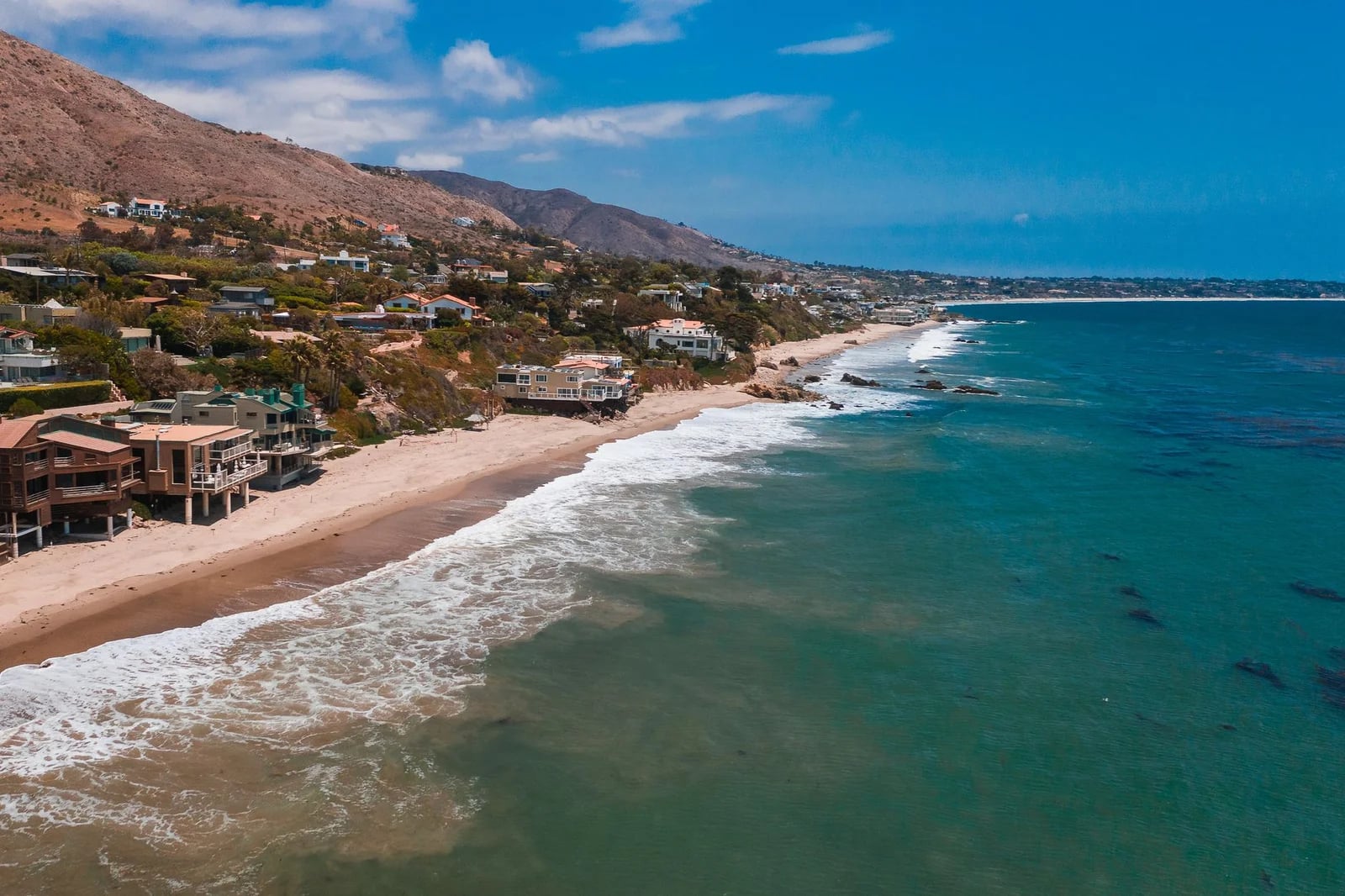
Standing on the sand in Malibu at noon, it is easy to think winter barely exists here. Two in the morning in a canyon home off Latigo or Encinal tells a different story, with temperatures dropping into the 30s while the beach five miles away stays well above that. A pre-winter visit accounts for that gap rather than treating every property in the service area the same.
Here is what actually happens during the visit, and what you get in writing at the end of it.
Step One: Confirming What System You're Actually Running
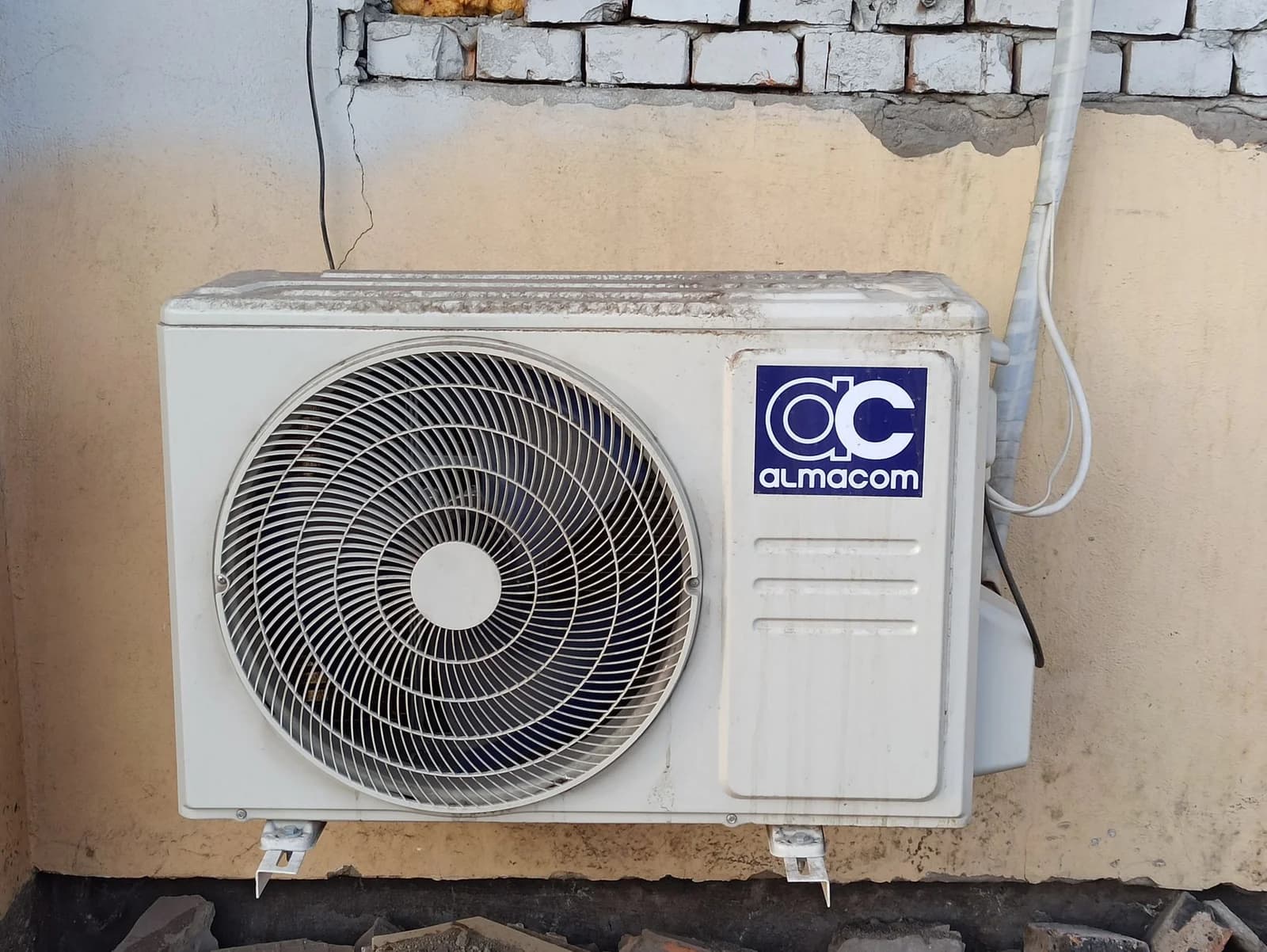
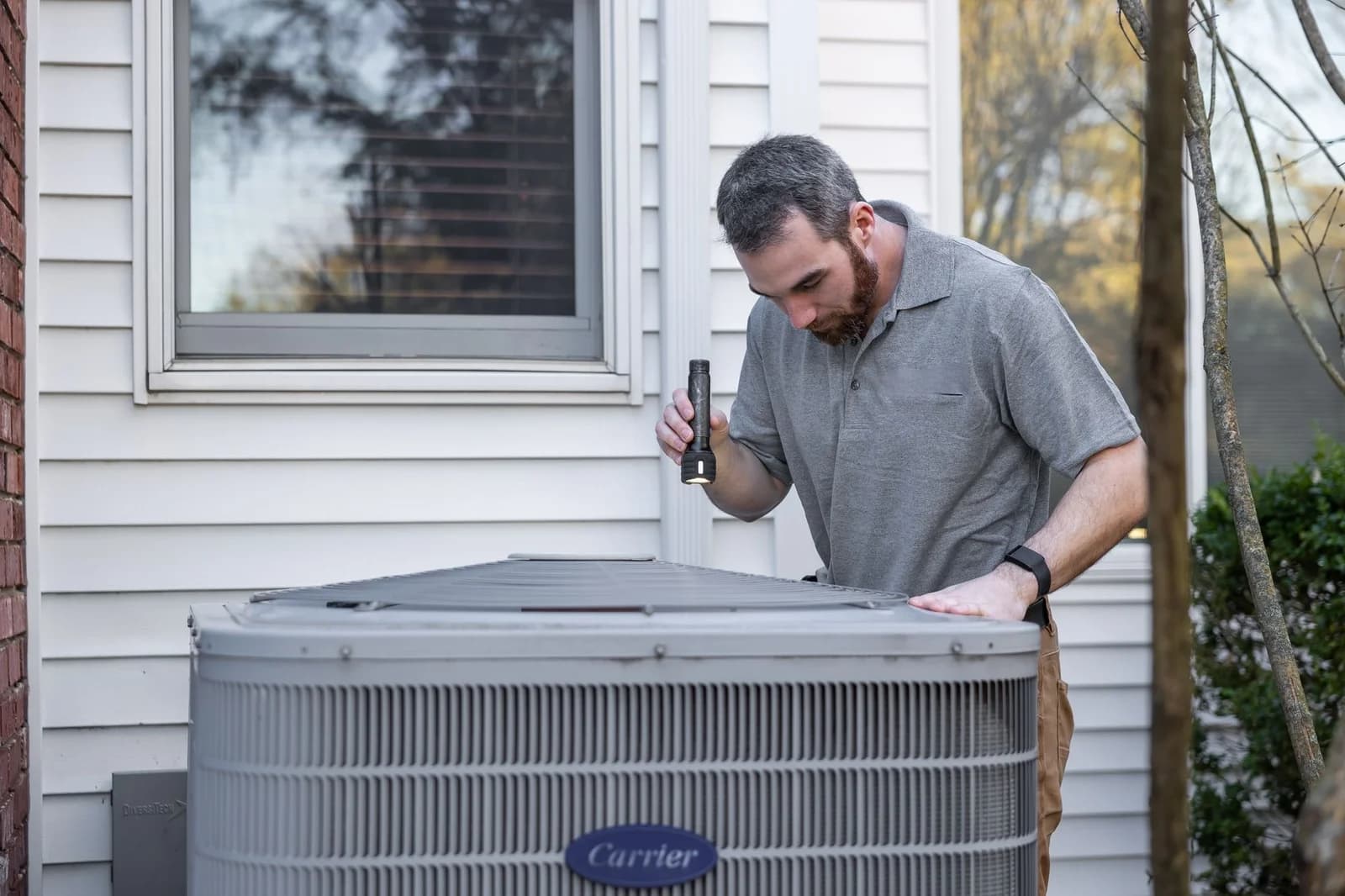
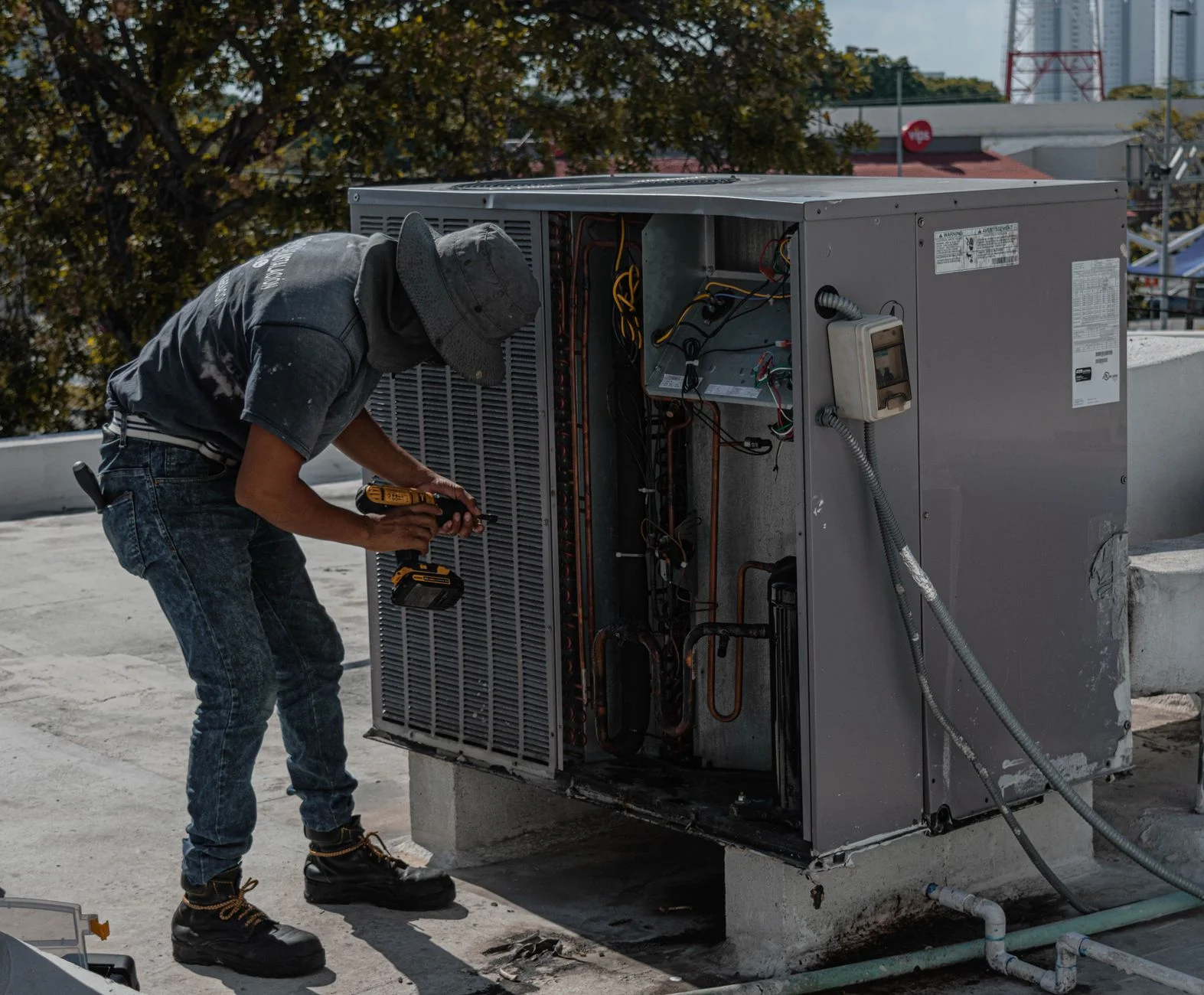
Before anything gets tested, we confirm the fuel type and system type installed. A heat pump moves warmth from the outside air rather than burning anything to make it, so it does its best work in mild coastal weather and loses ground once a canyon night settles into the 30s or low 40s. A gas furnace does not have that problem, since it burns fuel directly and puts out the same heat regardless of how cold it gets outside. Propane furnaces follow the gas furnace playbook but need their own orifice sizing to match propane's burn characteristics, and we see them often on stretches near Zuma and parts of Point Dume where no gas line was ever run to the house. Whichever of these you have shapes everything else we check during the visit.
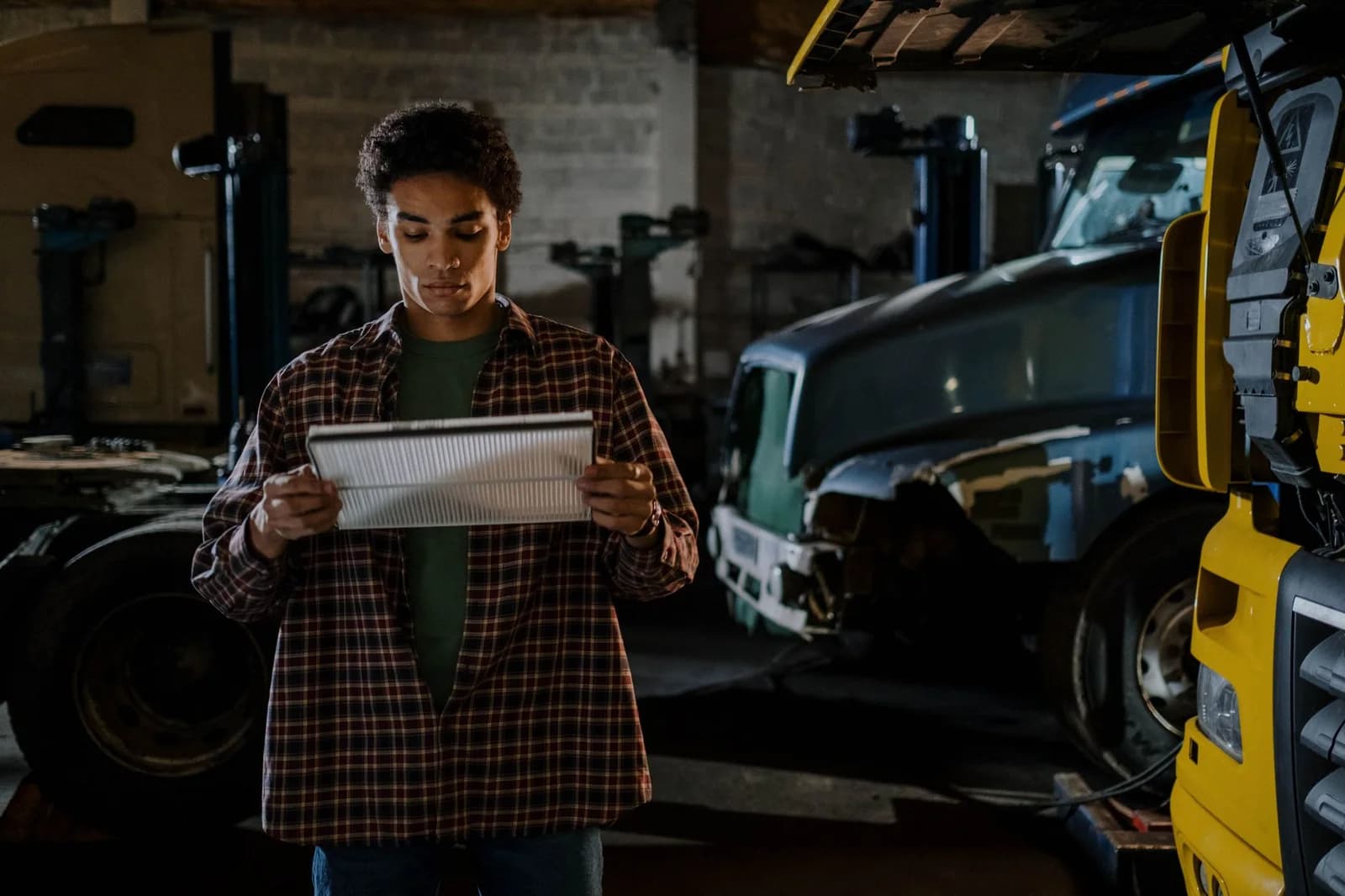
Step Two: Filter Replacement or Cleaning
A clogged filter chokes airflow whether the system is heating or cooling, and the practical result is a blower working overtime just to move the same volume of warm air out to your rooms. Every pre-winter visit includes a fresh filter or a proper cleaning, no matter what type of system is installed.
Step Three: Heat Exchanger Inspection
For gas and propane systems, we inspect the heat exchanger for cracks. This is a safety check, not a performance check. A cracked heat exchanger can allow combustion byproducts into the airflow the system pushes into your home, which is why we treat this step as non-negotiable rather than optional.
Step Four: Burner Cleaning
The burner assembly gets cleaned of any buildup that has accumulated since the last service. A dirty burner burns less efficiently and can produce uneven heat output, showing up as a system that runs longer than it should to reach the same set temperature.
Step Five: Carbon Monoxide Detector Test
Every visit on a gas or propane system includes a functional test of the carbon monoxide detector. California requires CO alarms in homes with fuel burning appliances, and confirming the detector actually works is part of the same visit rather than a separate concern.
Step Six: Flue and Venting Check
We check that the flue or vent path is clear and properly connected, since a blocked or disconnected vent path can send combustion byproducts back into the house instead of outside where they belong. This matters more in older canyon and beach properties where venting was sometimes retrofitted alongside a system upgrade rather than designed in from the start.
Step Seven: Thermostat Calibration
A thermostat that has drifted out of calibration reads room temperature inaccurately, which throws off when the system turns on and off. We check calibration and confirm zoning, if the home has it, is responding correctly zone by zone.
Step Eight: Ductwork Spot Check
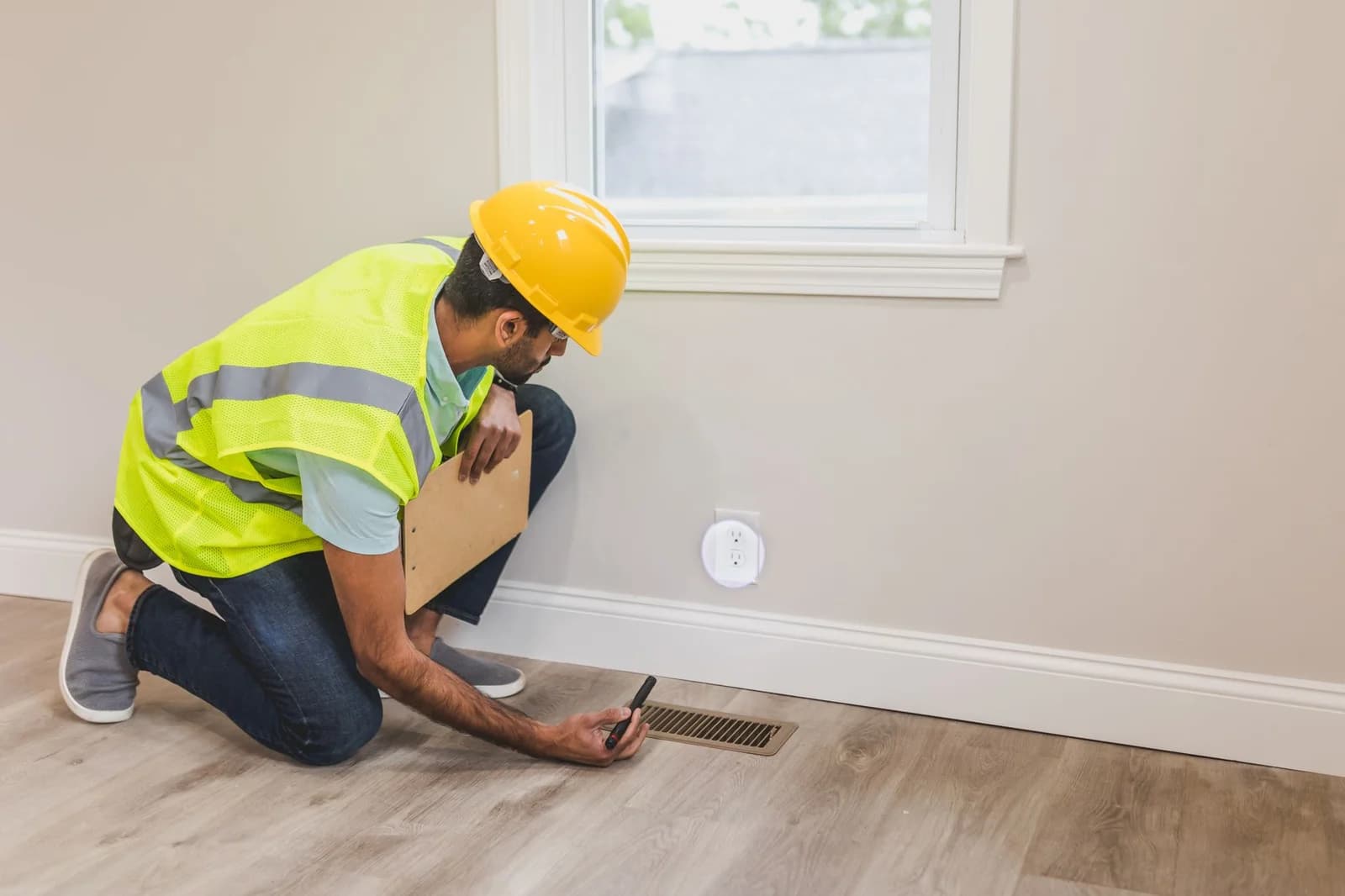
We do a spot check of accessible ductwork for obvious leaks or disconnections. Older canyon and beach properties tend to have ducts that got added on after the house was already standing, and those add-on connections are where we usually find a gap. Warm air leaking into an unconditioned attic instead of reaching your rooms is wasted output, and it shows up more often than you would expect on the older homes in this area.
Propane-Specific Checks
For properties running propane, we add one more step: confirming the tank, regulator, and delivery schedule can actually keep up with the home's heating demand through the coldest stretch of winter. A furnace's rated output needs to match what the delivery schedule can supply, and this gets checked rather than assumed.
What Goes Into the Seasonal Readiness Report
- - Filter condition and what was done about it
- Heat exchanger inspection result
- Burner condition and cleaning performed
- CO detector test result
- Flue and venting status
- Thermostat calibration status
- Any ductwork issues found during the spot check
- For propane systems, confirmation that supply can meet demand
This is written so you or a future buyer can look at it and know exactly what shape the heating system was in going into winter, not just that the furnace got serviced.
Why Canyon and Coastal Properties Get Different Emphasis
A canyon property in Topanga is going to lean on its heating system harder through winter than a coastal property does, simply because overnight lows run colder. We weight the visit accordingly, spending more time confirming the system can hold up under sustained cold weather operation rather than the shorter, milder cycles a coastal system typically sees. A coastal property, by contrast, often deals more with marine layer dampness making rooms feel colder than the thermostat reading, which is more of a comfort question than a mechanical one, and we address it differently.
What We Tell You If the System Needs More Than a Tune-Up
If something during the visit points to a bigger issue, a heat exchanger with a developing crack, or a system that is clearly undersized for the property's actual heat load, we say so directly and provide a separate estimate. A pre-winter visit is meant to catch problems while they are still cheap to fix, and that only works if we are honest about what we find rather than patching over something that needs real attention.
Zoned Systems Get Checked Zone by Zone, Not as One Unit
Larger homes across Calabasas and the Malibu hillside often run a zoned heating setup, where different sections of the house are controlled separately instead of as one block. During a pre-winter visit on one of these systems, we test each zone's damper and control response individually rather than confirming the system heats generally and calling it done. A zone that is not actuating correctly can leave one wing of the house cold all winter while the rest of the home reads comfortable on the main thermostat, and that kind of problem only shows up if someone checks zone by zone.
Emergency Heating Calls During a Canyon Cold Snap
Most heating problems can wait for a scheduled visit, but a system that will not ignite at all during a hard cold night in Topanga or up along Malibu Canyon Road is a different situation, especially in a home relying on that heat as its only source of warmth. We treat a complete heating failure during a genuine cold snap as an emergency call rather than routine scheduling, and we ask about the situation directly when you call so we can judge how urgently a technician needs to get out to you.
Getting Scheduled Before the Cold Hits
If it has been a while since your heating system was looked at, or a room in your Malibu, Topanga, or Calabasas home just never seems to warm up, reach Malibu AirCon Services at (877) 716-8328. It does not matter if you are running a heat pump near the water or a propane furnace at a beach house with no gas hookup, we will talk through your setup and get a visit booked before the coldest part of winter sets in.
Need Professional HVAC Service?
Our HVAC-experienced technicians are ready to help with all your AC and heating needs. Contact Malibu AirCon Services today for expert service throughout the the Pacific Coast service area.