What a General Inspector Skips
A general home inspector checks the roof, the foundation, the panel, and the plumbing, all in one visit. The HVAC system gets a few minutes at most. The thermostat gets flipped to cool. Someone checks that cold air comes out. It gets flipped to heat. Someone checks that warm air comes out. Then the inspector moves on to the next item on the list.
That tells a buyer almost nothing. A system can blow cold air and still be two years from a coil replacement. It can pass a five minute check and still have a refrigerant leak that shows up the week after closing.
We get called into escrow across Malibu, Point Dume, and Pacific Palisades to do the inspection a general contractor did not have time for. Here is what that visit actually covers, step by step, and what a buyer or seller gets at the end of it.
Step One: We Ask About the Property Before We Touch Equipment
Every visit starts with questions, not tools. Is the home on natural gas or propane? Plenty of properties along the beach strip, especially the stretch between Zuma Beach and Malibu Colony, were built without a gas main and have run on propane tanks ever since. Knowing that up front matters, because a propane furnace needs different orifice sizing than a natural gas unit, and that single fact changes what we look at on the heating side.
We also ask about location. A system three blocks from the water in Malibu wears differently than one in Calabasas. A system in Topanga works a different load than one on the coast. None of that shows up on a spec sheet, so we ask directly.
From there the visit moves through the system piece by piece rather than jumping around, so nothing gets skipped because it seemed fine at a glance.
Step Two: The Outdoor Unit Gets a Close Look
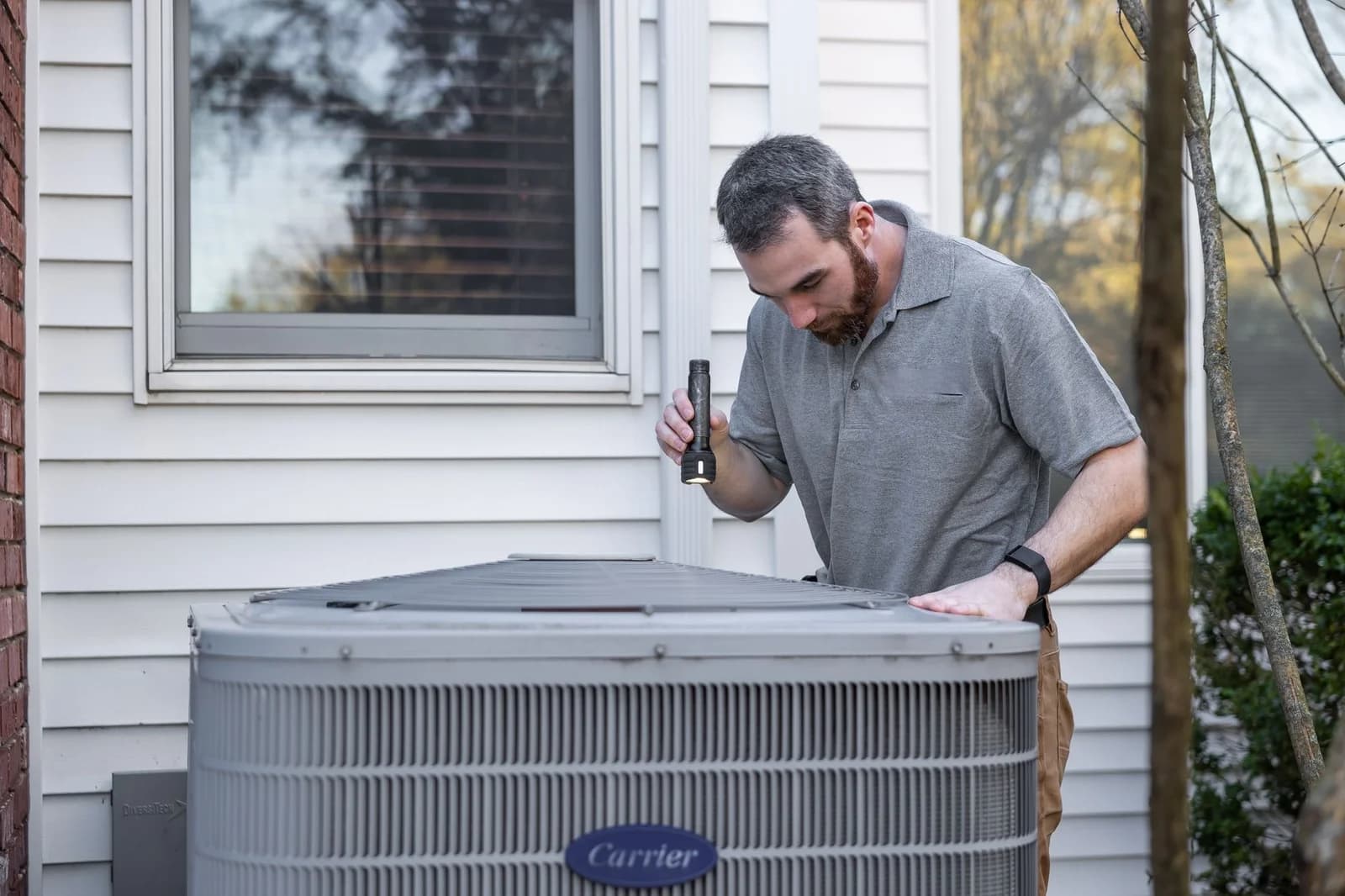
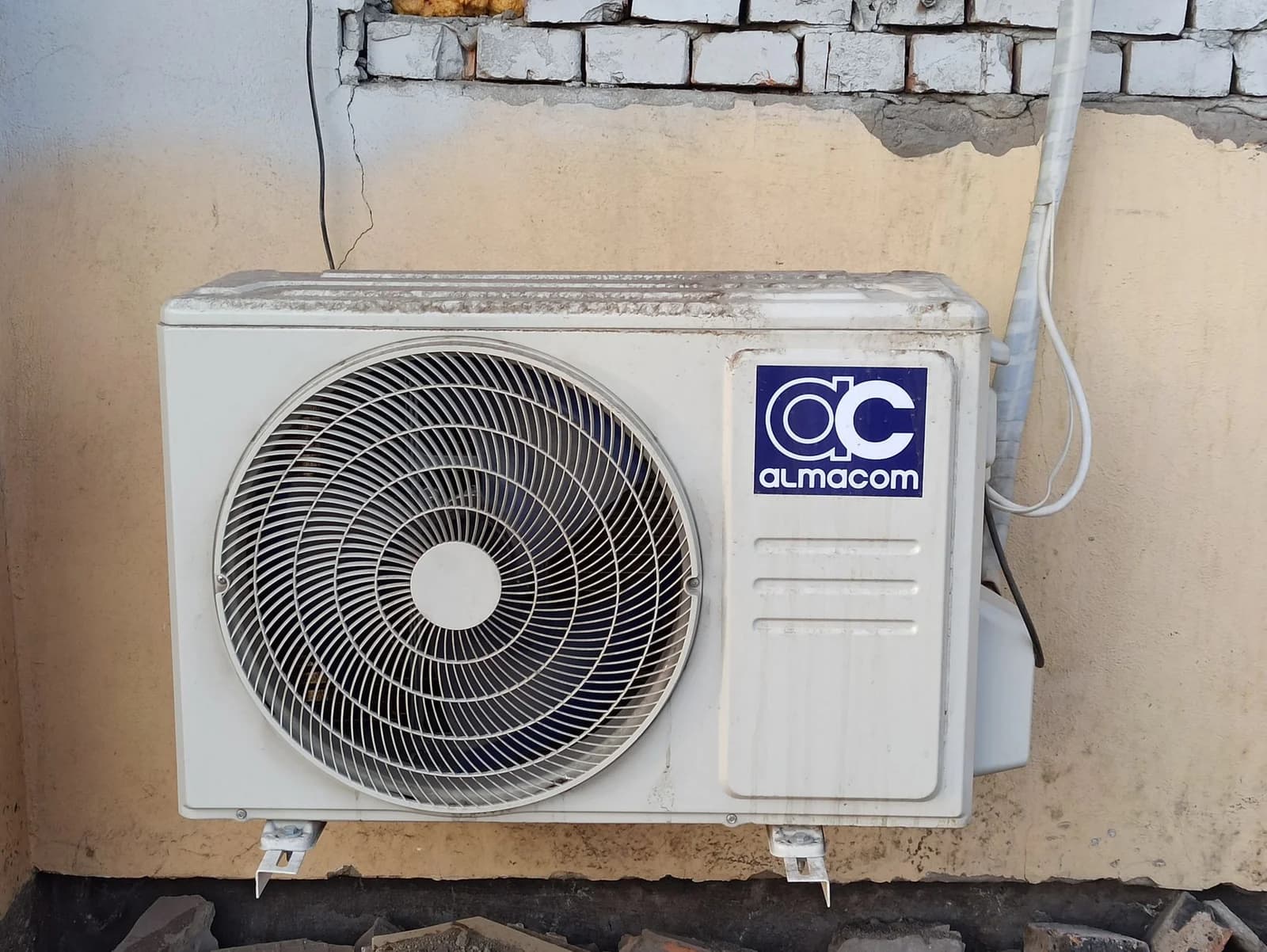
The condenser sits outside all year, so it shows wear before anything else does. We check the aluminum fins for white or greenish crusting, a sign of salt air corrosion. We check the cabinet seams and base pan for rust. We look for bent or crushed fins that block airflow through the coil, and we record the model and serial number to establish the equipment's actual age.
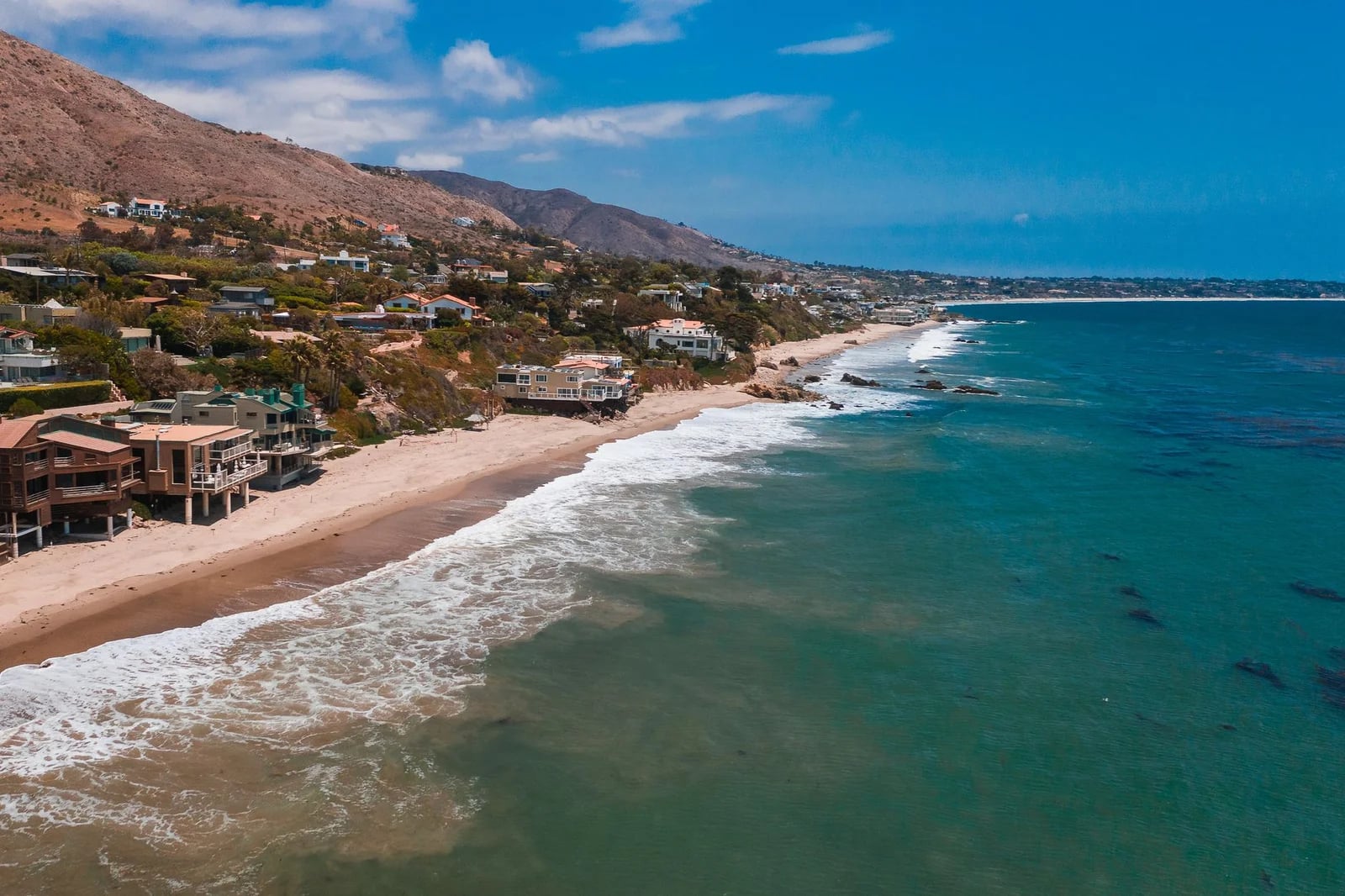
Properties close to the water, along Broad Beach, Carbon Beach, or Zuma Beach, tend to show corrosion earlier than homes set back from the shoreline. We note where the property sits and read the coil condition against that context rather than a single blanket standard.
Step Three: We Measure, Not Guess
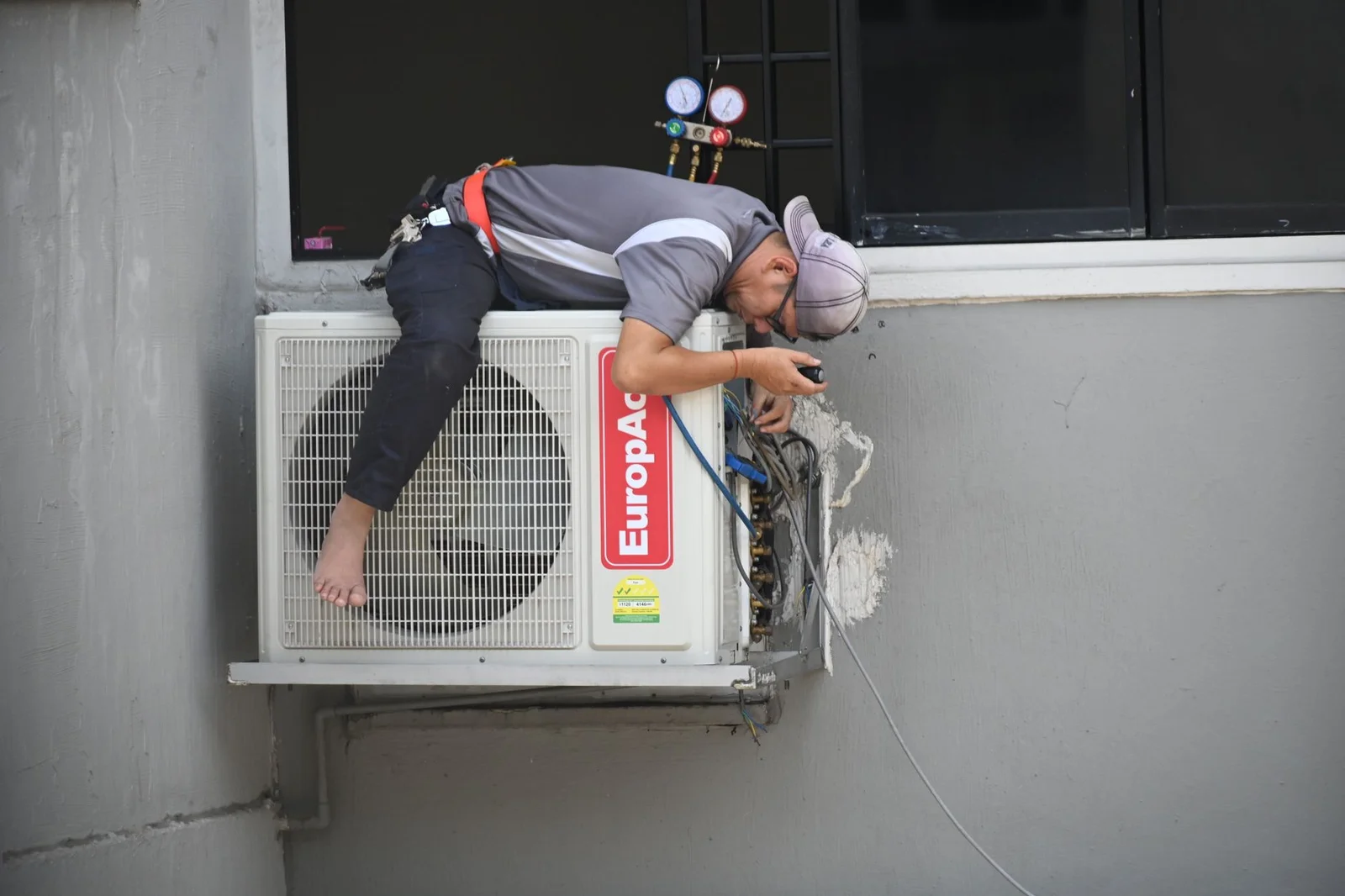
A refrigerant charge either matches the manufacturer's specification or it does not. We connect gauges and record the actual reading rather than relying on how cold the air feels at the vent. Feel is not a measurement. Two systems can both feel cold to the hand and be running at very different capacities underneath.
We also test the electrical connections at the disconnect box and the contactor, checking for corrosion and loose lugs. This is where a lot of nuisance failures start, and it stays invisible unless someone opens the panel and looks.
Step Four: Ductwork Gets Checked Where It Actually Runs
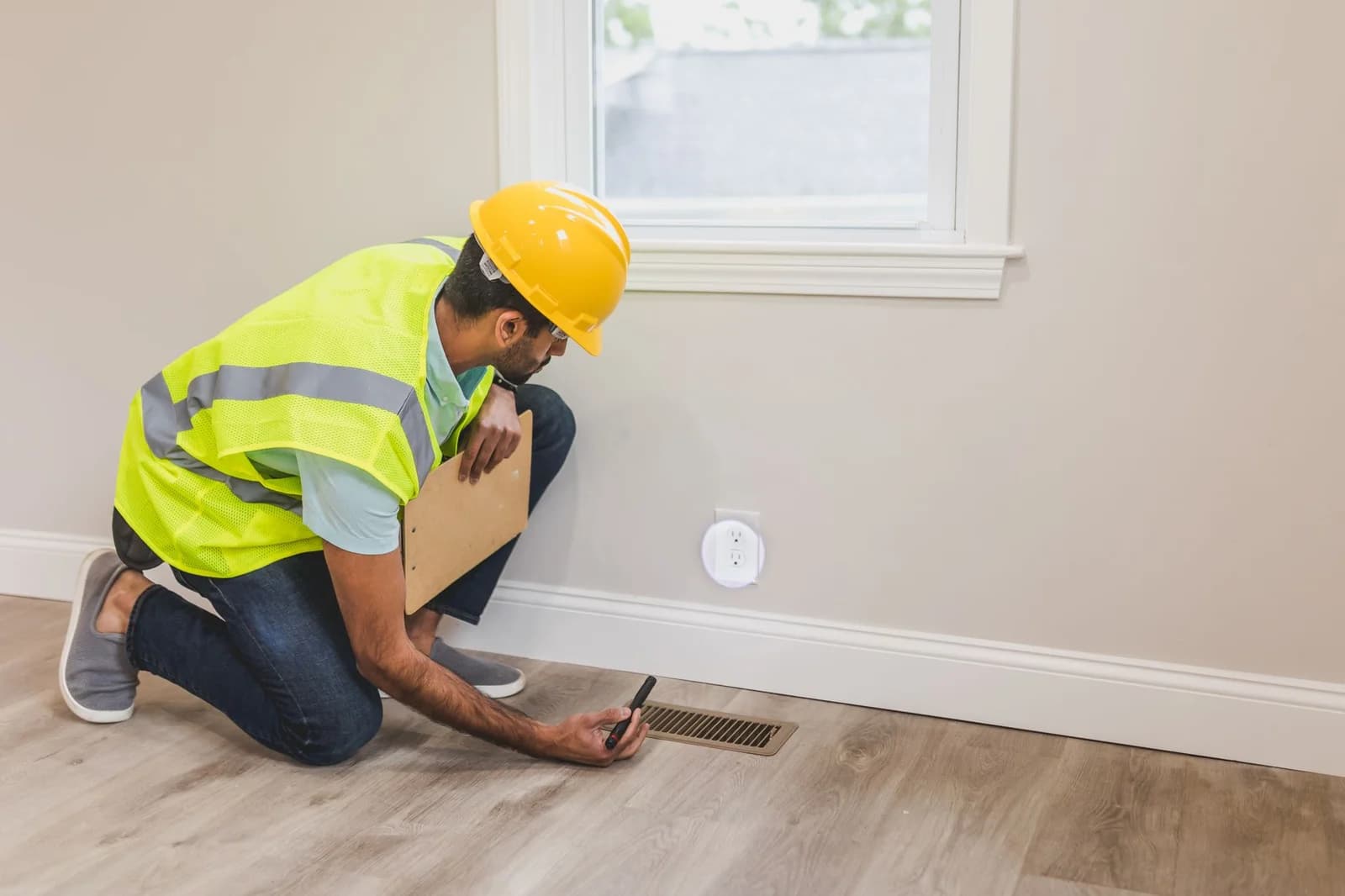
We go into the attic or the crawl space and follow the duct runs, not just glance at a supply vent from the room below. In older beach bungalows, ductwork was often added on well after the house was first built, so disconnected joints at those old connection points are a common find. We also check for crushed or kinked sections that restrict airflow to specific rooms, insulation condition on runs through unconditioned space, and sizing mismatches where an addition was built without updating the trunk line.
Step Five: We Test the Full Cycle, Not a Snapshot
A thermostat gets run through both a full heat cycle and a full cool cycle while we watch how the system responds, not just whether air comes out. We check zoning function if the home has it, since multi-zone systems in larger Calabasas and Malibu hillside homes sometimes have controls that were never set up correctly at install.
What Goes Into the Report
Every inspection ends with a written document, not a verbal summary.
| Report Section | What It Covers |
|---|---|
| Condition assessment | Overall status of cooling and heating sides, in plain language |
| Photos | Anything concerning, including corrosion, damage, or disconnected ductwork |
| Remaining service life | An estimate for the major components based on age and condition |
| Repair or replacement quote | Line item pricing if something needs attention |
| Fuel and equipment match | Confirmation that the installed system matches the fuel source actually present |
This is the same format a roofer or a foundation engineer would use to document their own findings, and it is written to be readable by a buyer's agent, not just a technician.
Why the Property's Location Changes What We Flag
A system in Topanga is doing more work than a system on the beach, even if both are the same size. Afternoon temperatures in the canyon run meaningfully hotter than the coast, so a unit sized for a beachfront cottage and installed on a canyon lot with the same specs will struggle in the hottest stretch of summer. That is why the visit factors in elevation and sun exposure alongside the raw square footage on the listing sheet, rather than reading the number on paper as the whole story.
Gated communities add their own layer. HOA rules in places like Serra Retreat, Malibu Colony, and The Oaks in Calabasas sometimes restrict where a condenser can sit. If a unit is placed somewhere that violates those rules, we note it, since it can mean a required relocation after the sale closes.
What Happens After We Find Something
When the inspection turns up an issue, we document it with photos and a written estimate, then hand that over. What happens next is between the buyer and seller. Some buyers ask for a credit at closing. Some ask the seller to complete the repair before the sale closes. Either way, the report gives both sides something concrete to negotiate around instead of a guess.
None of these findings are automatically deal breakers. A buyer who knows the condenser needs replacement in two years has real information to work with. That is different from finding out from a failed system during the first heat wave after moving in.
Scheduling Around a Tight Escrow Window
Escrow timelines in this market move fast, and access can be its own obstacle. A hillside lot reached by a private road off Latigo or Encinal, or a gated street in Point Dume, means the technician needs entry instructions lined up before the contingency window closes, not after. We handle that coordination on the first call rather than showing up and hoping the gate code works, because canyon roads and PCH traffic can turn a short trip into a long one.
Why Sellers Order This Too
Buyers are not the only ones who benefit. A seller who orders a pre-listing inspection knows what a buyer's technician is going to find before they find it. If a condenser shows early corrosion or a furnace is nearing the end of its expected life, addressing it before listing, or disclosing it with a documented estimate already in hand, tends to keep the negotiation calmer than a surprise mid escrow.
Financing and Insurance Paperwork
Some lenders and insurance carriers want proof that the major systems in an older home are still sound before they finalize a loan or a policy, especially once the roof and mechanical equipment are past their original install date. Handing over a written HVAC inspection report answers that question outright, and it keeps one more back and forth off an escrow timeline that already has plenty of paperwork moving through it.
Booking an Inspection
If you are under contract anywhere from Zuma Beach to Calabasas and the general inspection did not give the HVAC system a real look, reach out to Malibu AirCon Services at (877) 716-8328. Tight escrow windows are normal for us, and getting a technician out within a day or two usually is not a problem. Knowing what you are buying now beats finding out the hard way once you have already moved in.
Need Professional HVAC Service?
Our HVAC-experienced technicians are ready to help with all your AC and heating needs. Contact Malibu AirCon Services today for expert service throughout the the Pacific Coast service area.