

Three Things Working Against Your Indoor Air Here
Most homes deal with one or two air quality concerns. Properties across Malibu deal with three at once: salt laden ocean air, seasonal wildfire smoke, and marine layer humidity that feeds mold growth in older construction. An air quality visit here has to check for all three, not just run through a generic filtration pitch.
Here is what the visit actually covers and how we land on a recommendation at the end of it.
Step One: A Conversation Before Any Equipment Comes Out
We start by asking what you are actually noticing. A musty smell when the system kicks on points toward moisture sitting in the ductwork. Symptoms that get worse during smoke season point toward filtration gaps. Persistent dampness in specific rooms, especially ones closest to the ocean facing side of the house, points toward humidity control. What you describe shapes where we look first.
Step Two: Inspecting the Current Filtration Setup
We check what filter is currently installed and what it is rated for. A standard filter does very little against wildfire smoke particulate, which is fine enough to pass through basic filtration and settle throughout the house. We check whether the existing system can even support a higher rated filter without restricting airflow too much, since not every blower is built to pull air through a denser filter media.
Step Three: Measuring Indoor Humidity
We take an actual humidity reading rather than asking how the air feels. Along the coast, marine layer moisture from roughly June through August pushes indoor humidity up in ways that promote mold, particularly in older beach cottages with original single pane windows and minimal insulation. A reading tells us whether the issue is occasional dampness or a persistent condition that needs a dedicated dehumidifier rather than a one time fix.
Step Four: Checking for Moisture and Mold Risk Areas
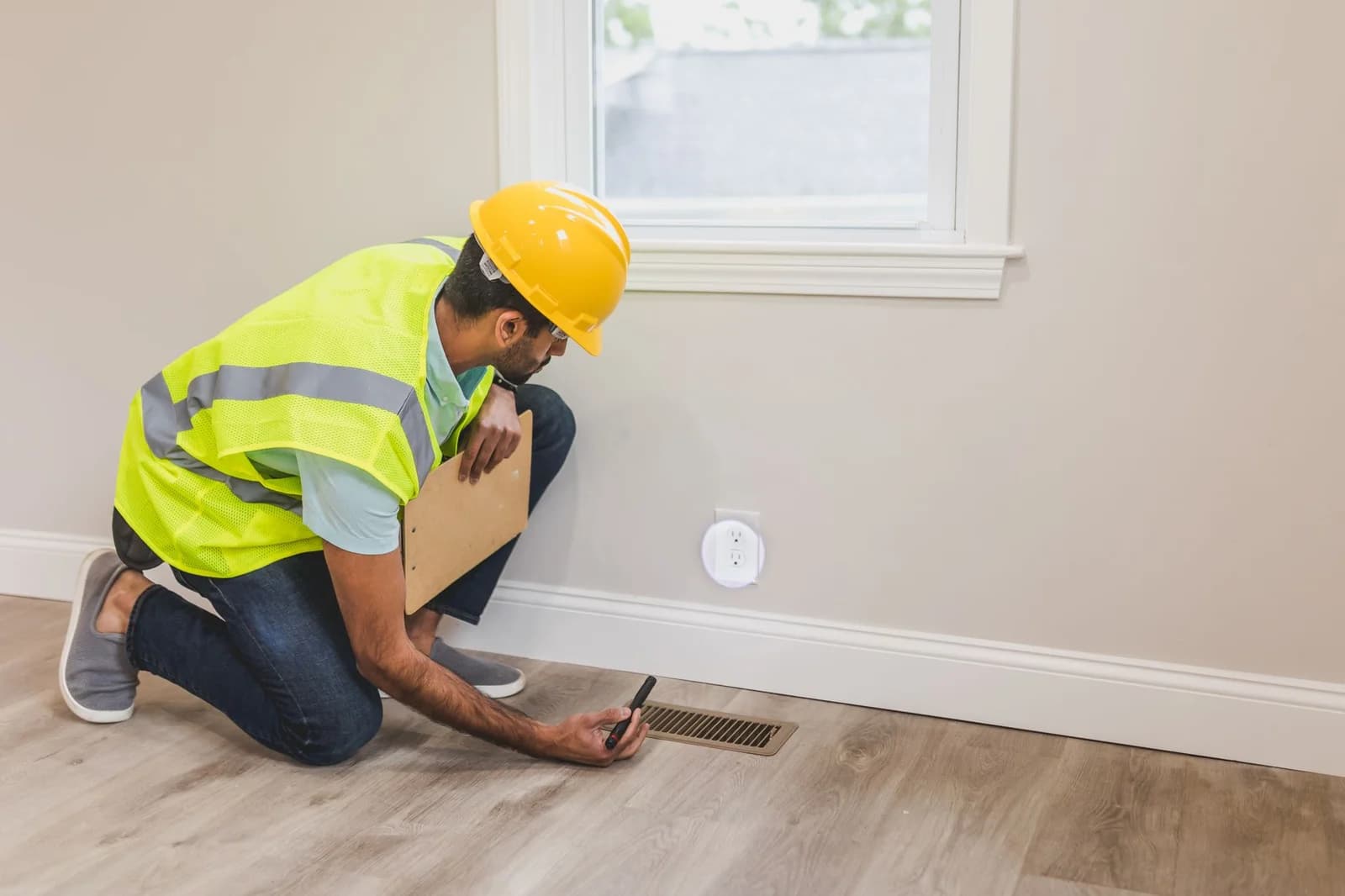
We walk the property looking at bathrooms, closets on exterior walls, and any room where past water intrusion might have left conditions right for mold growth. This is a visual and, where needed, a moisture meter check, not a lab test, but it tells us where a dehumidifier or added ventilation would do the most good.
Step Five: Ductwork Check for Smoke Infiltration Paths
Ahead of wildfire season, we check ductwork for gaps where smoke and ash can infiltrate, particularly in older ranch style homes in the Malibu hills where ducts run through crawlspaces. We also confirm whether the system's fresh air intake can be sealed off during an active smoke event, since a system that keeps pulling outside air in during heavy smoke defeats the purpose of any filtration upgrade.
Step Six: Reviewing Options Based on What We Found
With the inspection done, we walk through the options that actually apply to what we found, not a standard package regardless of the property:
- - MERV-13 or HEPA filtration for wildfire smoke particulate, sized to what the existing blower can actually handle
- UV germicidal lights inside the air handler, which target mold spores directly rather than just filtering them
- Whole-home dehumidifiers for properties where bathroom exhaust alone cannot keep up with marine layer moisture
- A fresh air ventilator with filtration for older homes with minimal natural air exchange, balancing incoming fresh air against what gets filtered
Not every property needs all four. A canyon home further from the coast might need smoke filtration and nothing else. A beachfront bungalow with original windows might need humidity control as the priority.
What Goes Into the Assessment
At the end of the visit, you get a written assessment covering the humidity reading taken, filtration currently installed and its rating, any moisture or mold risk areas identified, and ductwork condition as it relates to smoke infiltration. Recommendations are tied directly to these findings, with the reasoning included, not just a list of products.
Timing Around Wildfire Season
The most effective time for this visit is before smoke season starts, since a MERV-13 or higher filter and a sealed fresh air intake do the most good when they are in place ahead of the first Santa Ana wind event rather than reacted to during one. We recommend scheduling an assessment in late summer so any upgrades are done before conditions turn.
Why Older Homes Need a Closer Look
Beach bungalows and hillside cottages across the service area built decades ago were built to a different standard than a modern home. Single pane windows and minimal insulation mean these homes exchange air with the outside more than a newer, tighter build does. That is not automatically bad, since it means less risk of trapped indoor pollutants, but it also means smoke and salt laden air move in more easily, which is exactly why a fresh air ventilator with filtration comes up so often as a recommendation for these properties specifically.
Air Quality and Real Estate Considerations
Buyers evaluating an older coastal or canyon property sometimes ask about air quality alongside the general HVAC condition, particularly if a home has a history of dampness or nearby wildfire activity. A documented assessment gives a straightforward answer instead of a guess, the same way an HVAC inspection report does for the mechanical system itself.
Ventilation Matters as Much as Filtration
Filtration cleans the air that is already inside, but it does nothing for a house that is not exchanging stale indoor air for fresh outdoor air often enough. Older homes with minimal insulation get some natural exchange just from how loosely they are built, but tighter modern construction can trap moisture and indoor pollutants without a dedicated fresh-air path. Part of an air quality visit includes checking whether the home is getting enough natural air exchange or whether a mechanical ventilation system would actually solve more of the underlying problem than another round of filtration upgrades.
Monitoring After an Upgrade Is Installed
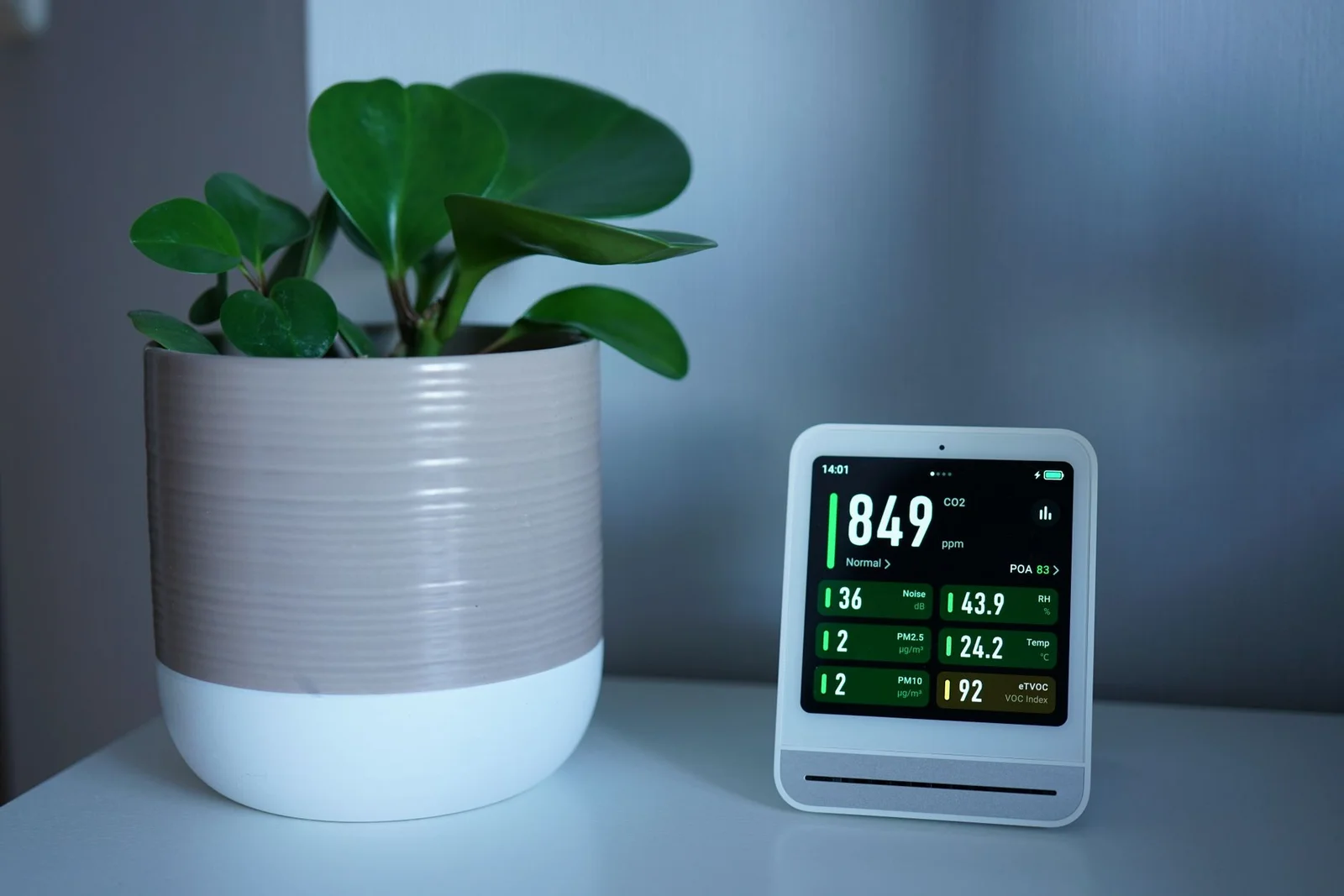
Adding filtration, a dehumidifier, or a fresh-air system is not the end of the process. For homeowners who want ongoing visibility, we can pair an upgrade with air quality monitoring that tracks humidity and particulate levels over time rather than leaving you to guess whether the equipment is doing its job. This is particularly useful during wildfire season, when knowing indoor conditions in real time lets you decide whether to keep the house sealed up or it is safe to ventilate normally again.
What This Looks Like on a Multi-Zone Home
Larger properties with zoned HVAC systems sometimes need a different filtration or humidity solution in different zones rather than one blanket fix for the whole house. A guest wing on the shaded side of a canyon property might have a persistent dampness problem that the sunnier main living areas never show, and treating the whole system identically would waste money addressing a problem that only exists in one part of the house. We assess each zone independently before recommending anything, the same way we would for a single-zone home.
Scheduling an Assessment
Musty smells, dampness that will not go away, or symptoms that flare up whenever smoke rolls through are all reasons to reach out to Malibu AirCon Services at (877) 716-8328. Between the coast at Malibu and Zuma Beach and the canyons around Topanga, Pacific Palisades, Point Dume, and Calabasas, we would rather look at your actual air before recommending a single piece of equipment.
Need Professional HVAC Service?
Our HVAC-experienced technicians are ready to help with all your AC and heating needs. Contact Malibu AirCon Services today for expert service throughout the the Pacific Coast service area.