
Why a Coastal Tune-Up Looks Different From an Inland One
Two identical AC systems age at different speeds depending on where they sit. One three blocks from the water in Malibu takes on salt air every single day. One in Calabasas does not. Our maintenance visit accounts for that difference instead of running the same checklist regardless of address.
Here is what actually happens during a coastal tune-up, in the order we do it.
Before the Technician Arrives
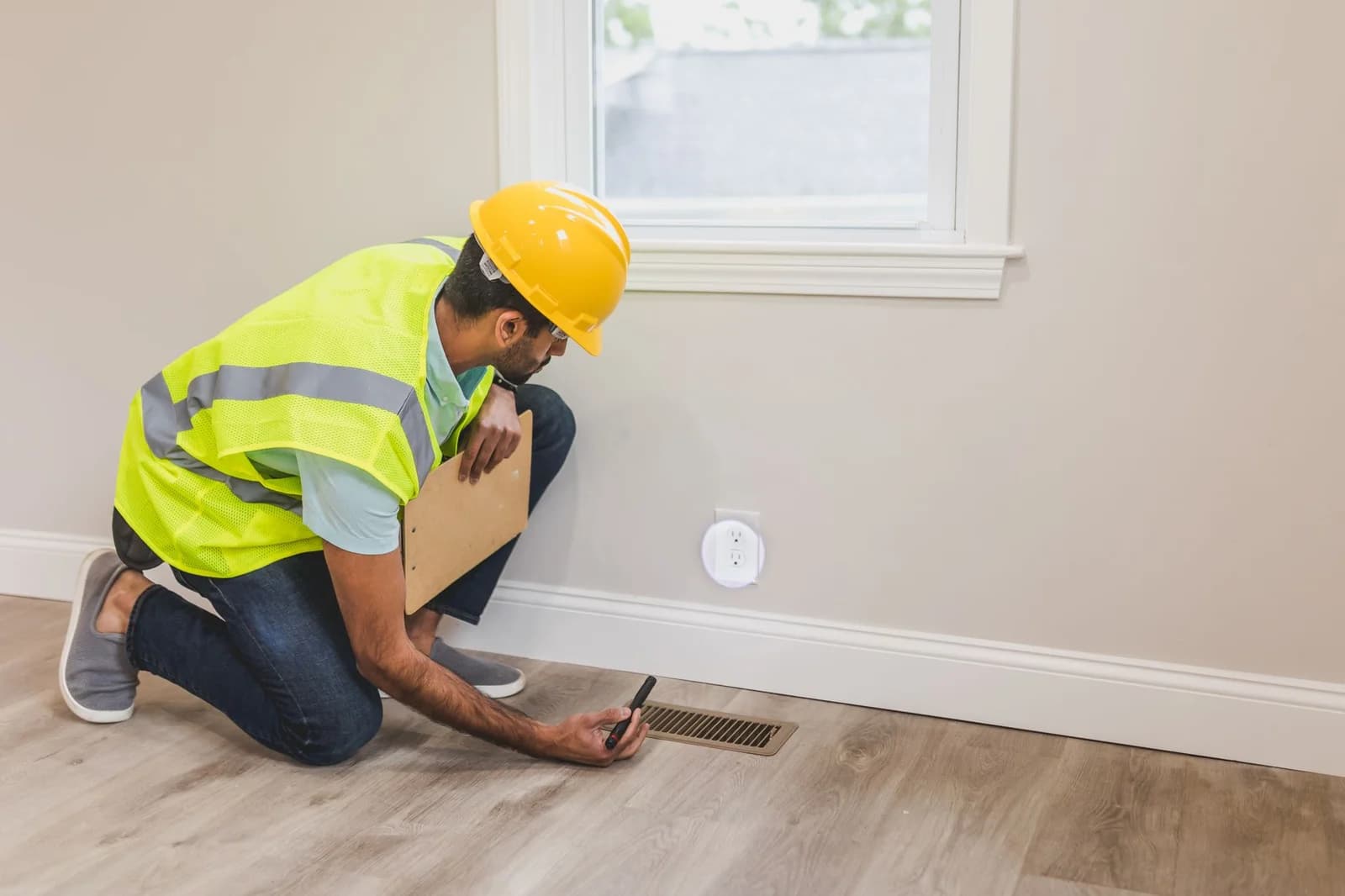
We check the property's location and history before the visit, not during it. A unit near Zuma Beach or Point Dume gets more attention to the coil, since salt exposure there is constant and severe. A unit further inland, closer to Calabasas, gets more attention to how it is handling heat cycling through hot summer stretches. Same checklist categories, different emphasis depending on where the equipment actually lives.
Step One: Salt and Mineral Deposit Cleaning
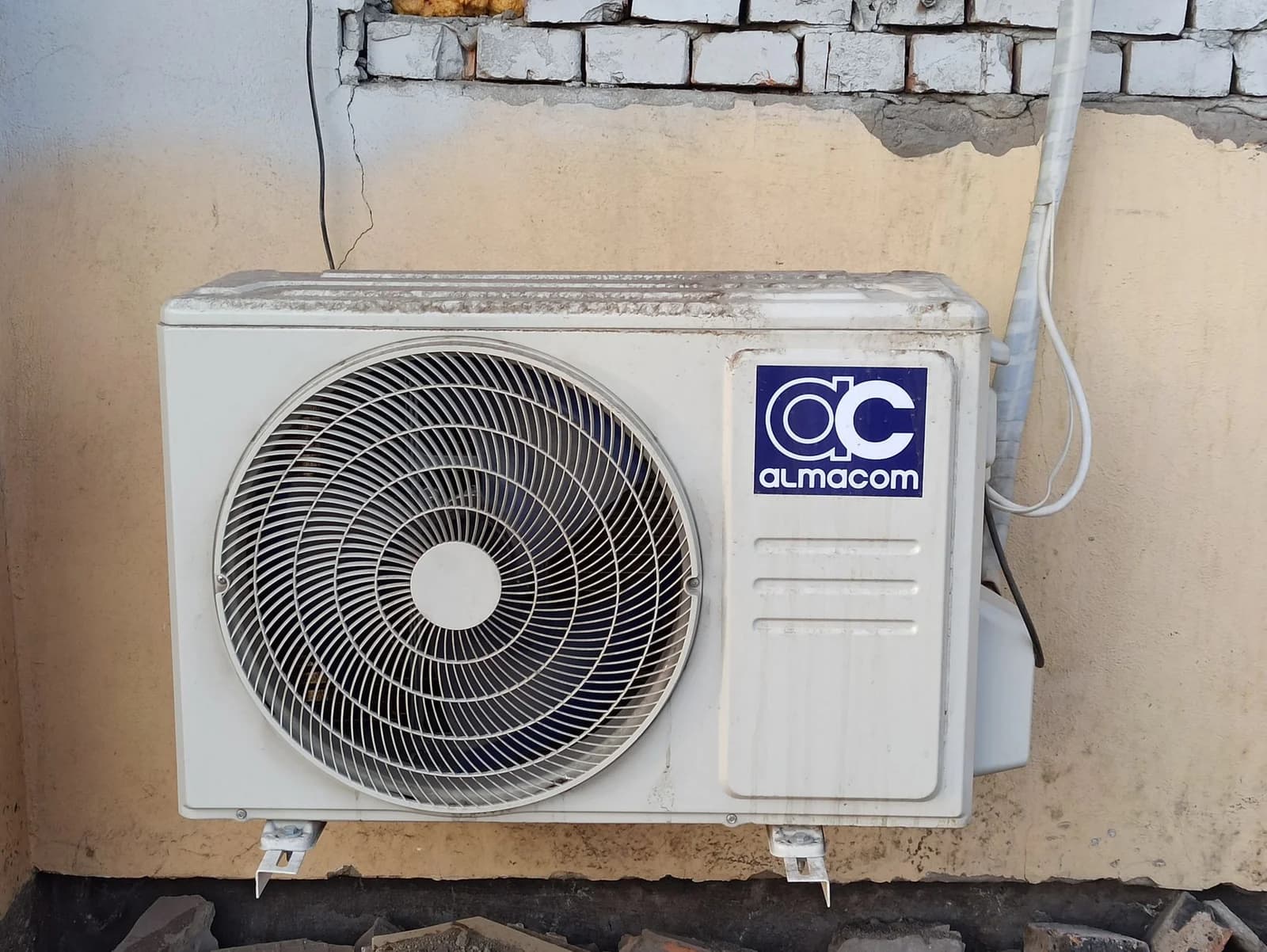
For any property within a mile or two of the coast, we rinse the coil with fresh water to remove accumulated salt before it reacts further with the aluminum fins. This step alone, done consistently, slows the corrosion process significantly. Skipping it is how a coil that should last years starts showing pitting far earlier than it should.
Step Two: Coil and Filter Service
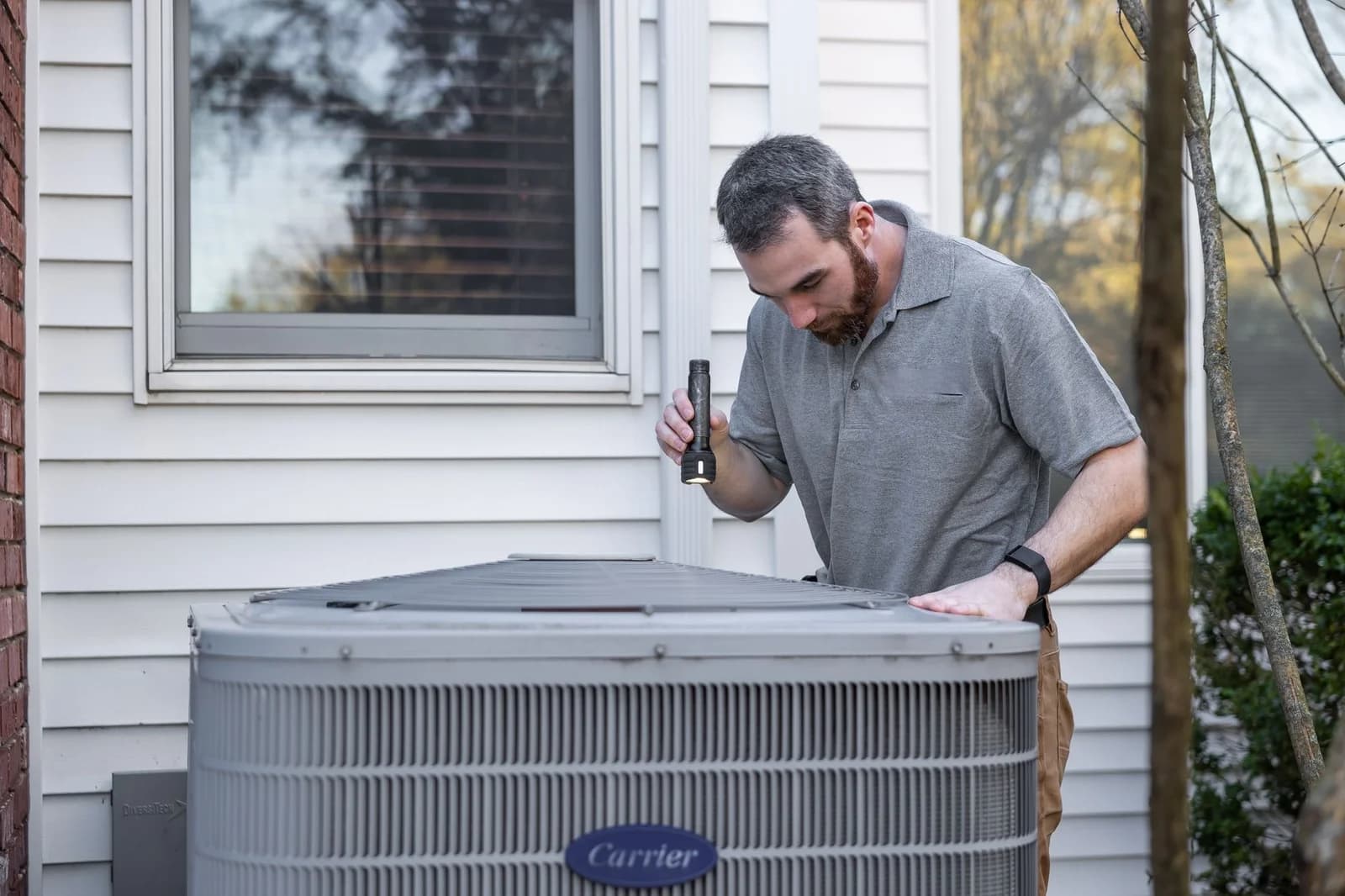
We inspect the coil for existing corrosion, bent fins, and airflow restriction, and clean it if buildup has reduced heat transfer. The filter gets replaced or cleaned depending on its condition. A dirty filter restricts airflow at the source and makes the whole system work harder than it needs to.
Step Three: Refrigerant Level Check
We measure refrigerant pressure against the system's rated specification. A system running low loses cooling capacity even if the blower and fan both sound fine. This check also tells us whether a slow leak might be developing before it turns into a bigger loss of capacity.
Step Four: Electrical Corrosion Inspection
The disconnect box and contactor get opened and checked, not just glanced at. Corrosion here is common on coastal properties and is a leading cause of nuisance failures and, in worse cases, a fire risk if it goes unaddressed. We check for loose lugs and corroded connections at every visit, since this is the kind of thing that looks fine from three feet away and is clearly a problem up close.
Step Five: Thermostat Calibration
A thermostat that has drifted out of calibration reads the room temperature wrong, which means the system runs longer or shorter than it should to reach the actual set point. We check calibration and, if the home has zoning, confirm each zone is reading and responding correctly.
Step Six: The Protective Coating Check
If the coil already has a protective coating from a prior visit or the original install, we check its condition and reapply if it has worn thin. If it has never had one, we discuss whether adding it now makes sense given the coil's current condition. A coating applied to a coil that already has significant corrosion does not undo the damage, so this decision depends on where the equipment already stands.
What Goes Into the Coastal Performance Report
- - Refrigerant pressure readings compared against the manufacturer's specification
- Coil condition, including any visible corrosion stage and whether cleaning or coating was performed
- Electrical connection status at the disconnect and contactor
- Filter condition and what was done about it
- Thermostat calibration status
- Any recommendations for the next visit, including parts we are watching that are not yet at failure but worth tracking
This document is the same one we would hand over during a real estate transaction or reference on a future repair call, so we write it to be useful later, not just as a formality for today.
Why Twice a Year, Not Once
A spring visit ahead of the warm season focuses on the cooling side: refrigerant levels, coil condition, and electrical connections. This is the visit where the coastal coil check matters most, since salt corrosion does not produce a symptom until it has already reduced the coil's efficiency. A fall visit shifts focus toward the heating side and toward smoke season readiness ahead of Santa Ana winds. Doing both, rather than one annual visit, catches problems in the window where they are still cheap to fix.
Properties That Benefit From a Third Check
Homes tucked against a hillside in Topanga or shaded by heavy vegetation in Point Dume sometimes pick up more debris around the outdoor unit than a typical property. For these, a midyear check that clears the coil of anything that has accumulated is worth adding beyond the standard spring and fall schedule.
What We Tell You If Something Needs More Than Maintenance
A tune-up is not a repair visit, and we do not pretend otherwise. If we find something during the checklist that needs more attention than cleaning or a filter swap, whether that is a coil deep into corrosion or a capacitor testing weak, we tell you directly and provide a separate estimate for that work rather than folding it into the maintenance visit unannounced.
Why We Keep a Record From Visit to Visit
A single tune-up report is useful on its own, but the real value shows up once there are two or three of them on file for the same address. Comparing this spring's coil condition against last fall's tells us whether corrosion is progressing at the rate we would expect for that location or moving faster than it should. It also means that if a different technician handles a future visit, they are not starting cold. They can see exactly what was found, what was cleaned or coated, and what to keep an eye on.
How HOA-Governed Properties Change the Visit
For a property in a community like Serra Retreat, Malibu Colony, or The Oaks in Calabasas, a maintenance visit sometimes involves more than the equipment itself. Screening structures built around a condenser to satisfy HOA rules can restrict airflow if they were not built with proper clearance, and part of the visit includes checking that the screening has not started to choke the unit's performance over time. If access to the unit requires a gate code or a scheduled entry window, we confirm that ahead of the appointment so the visit is not delayed once the technician is already on site.
What a Missed Visit Actually Costs You
Skipping a scheduled tune-up rarely causes an immediate failure. What it does is let small issues run longer before anyone catches them: a coil that is quietly corroding, a capacitor that is drifting out of spec, a filter that has been dirty for months instead of weeks. None of these show up as a dramatic breakdown right away. They show up as a system that costs more to run and dies earlier than it should have, which is a harder problem to trace back to a single missed appointment than it is to simply keep the schedule in the first place.
Scheduling Your Tune-Up
If it has been more than six months since your system was last serviced, or you honestly cannot remember the last visit, reach Malibu AirCon Services at (877) 716-8328. From the Malibu coastline through Pacific Palisades and Topanga, out to Point Dume, Zuma Beach, and Calabasas, we will get you scheduled ahead of whichever season matters most where you live.
Need Professional HVAC Service?
Our HVAC-experienced technicians are ready to help with all your AC and heating needs. Contact Malibu AirCon Services today for expert service throughout the the Pacific Coast service area.