
The Order We Actually Work In
A technician does not walk up to a struggling AC system and start swapping parts. There is a set order to a real diagnostic visit, and skipping steps is how a homeowner ends up paying for a part that was never the problem.
Before We Leave the Shop
The visit starts on the phone, not at your door. We ask what the system is doing: weak airflow, warm air, short cycling, a noise, or the system running constantly without reaching the set temperature. Different symptoms point toward different causes, and knowing the symptom in advance means we bring the right tools and parts for the likely fix instead of making a second trip.
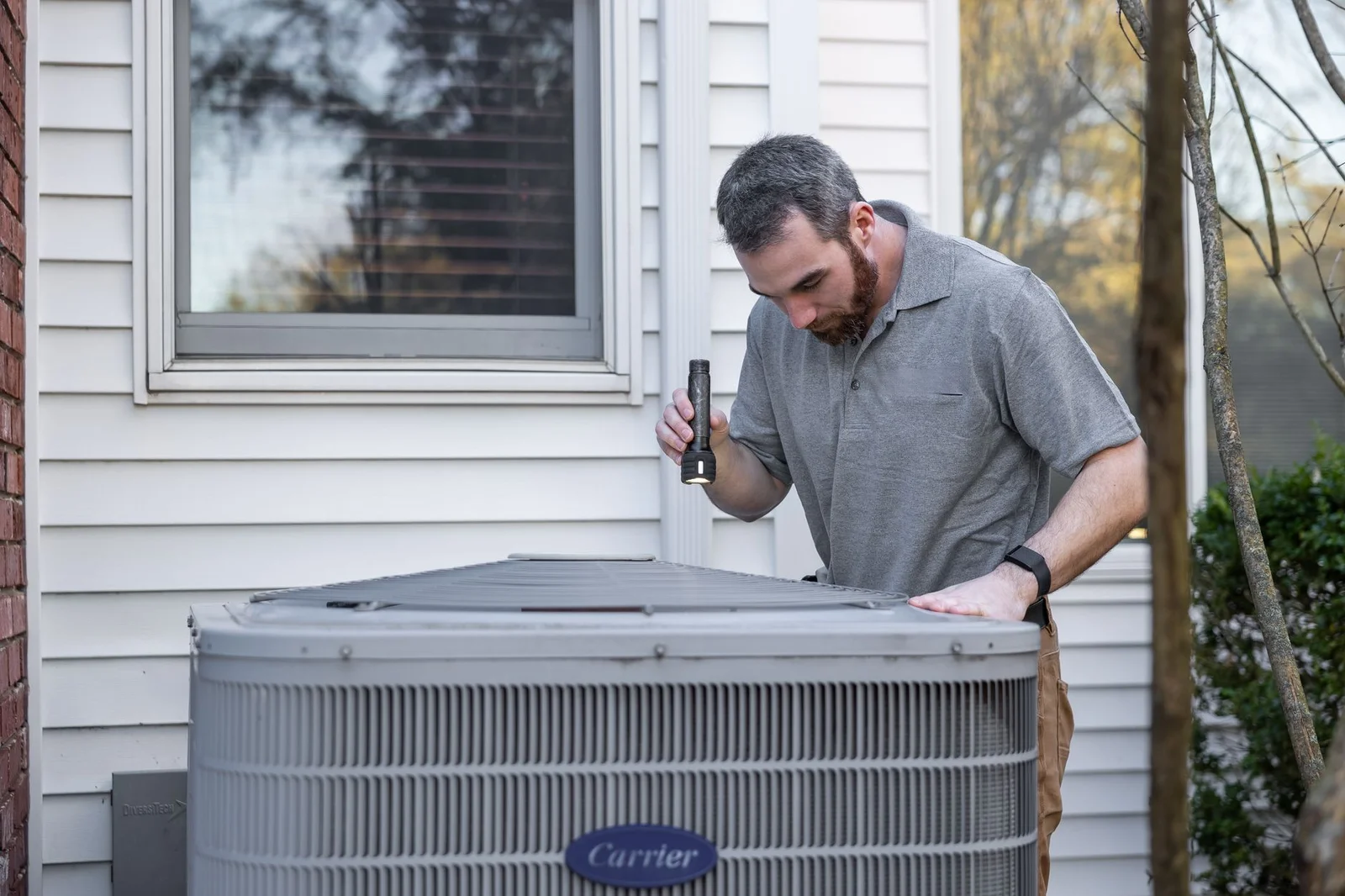
Step One: A Walk Around the Outdoor Unit
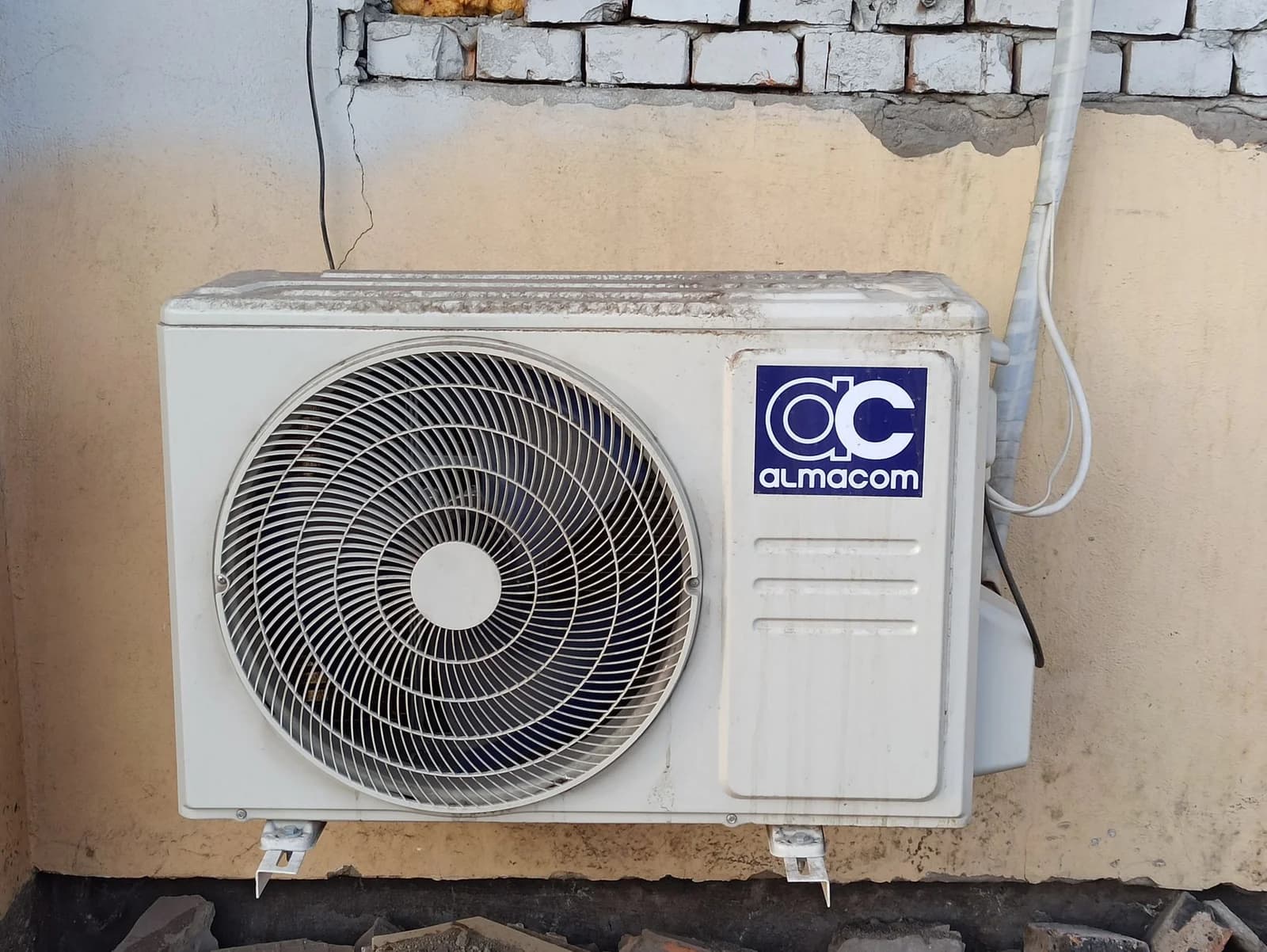
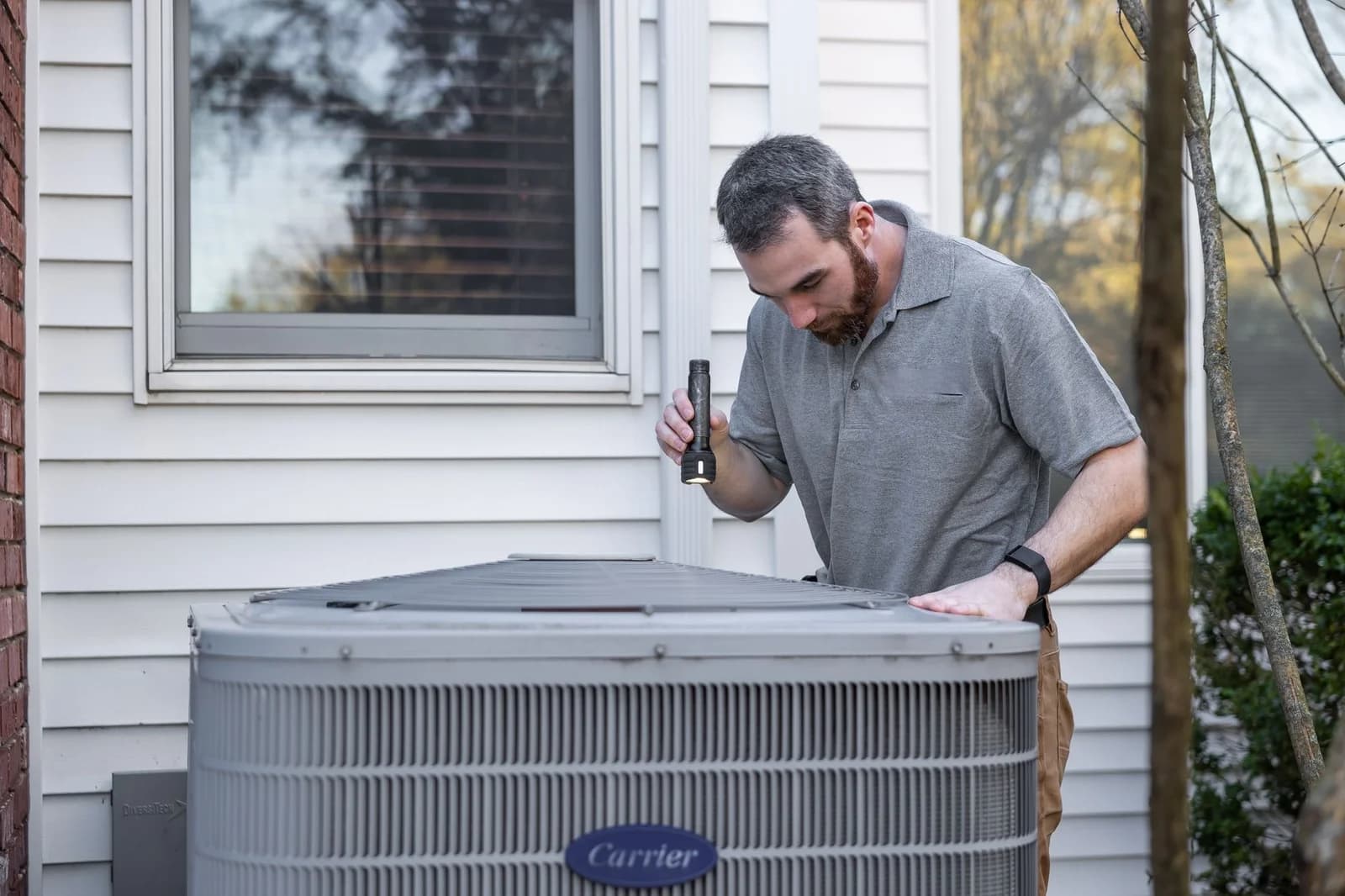
The first thing a technician does on site is walk out to the condenser and look at it before touching a gauge.
- - The fins get checked for white or greenish crusting, the clearest sign of salt air corrosion
- The cabinet and base pan get checked for rust
- Debris caught in the coil, more common on canyon properties in Topanga where wind carries leaves and small branches into the unit
- The fan gets checked to confirm it spins freely and is not obstructed
This step alone rules out or confirms a lot before any measurement gets taken.
Step Two: Airflow at the Vents
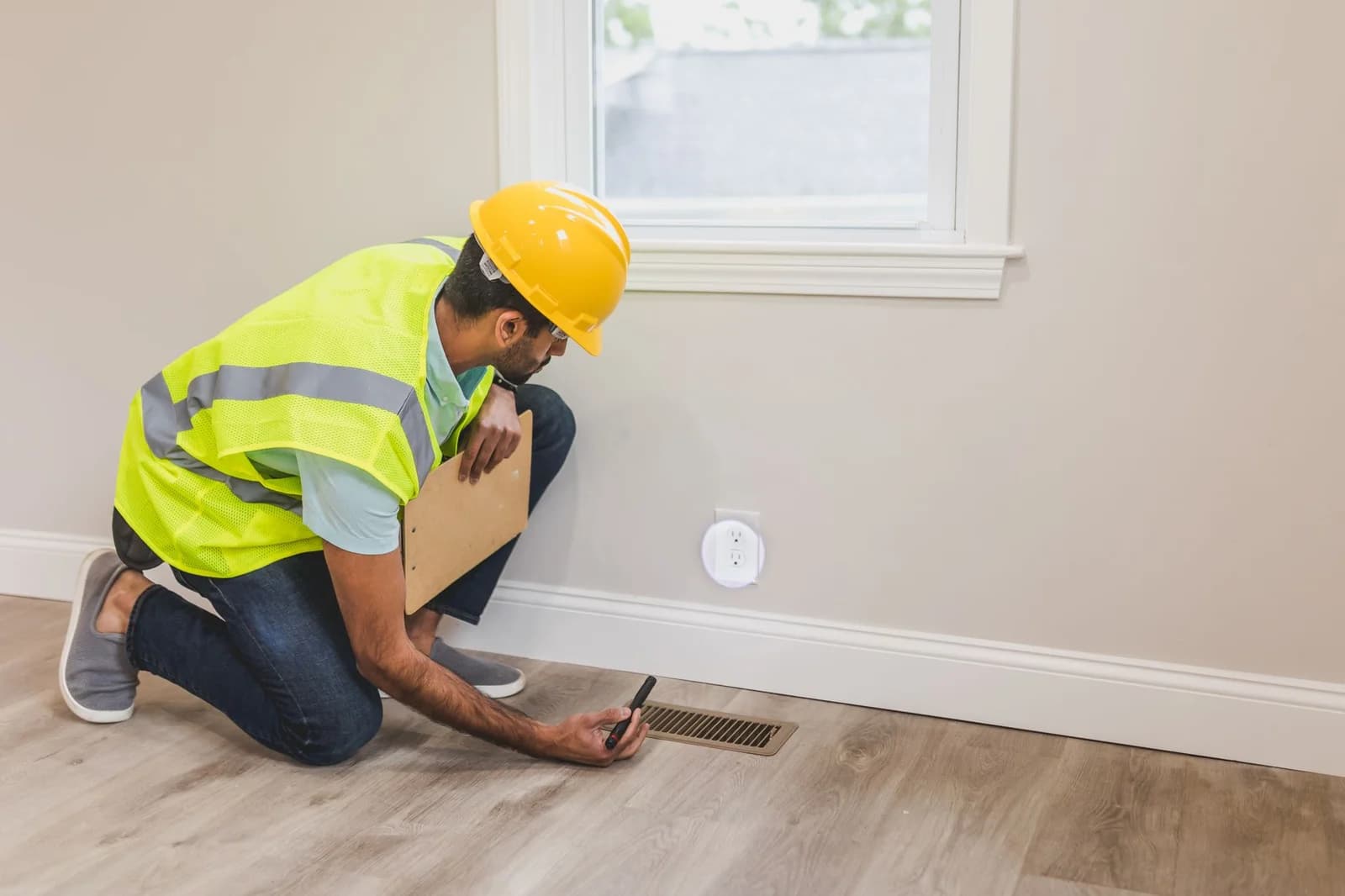
Next, we check airflow at a supply vent while the system runs. Weak or inconsistent airflow room to room usually traces back to one of a few causes: a dirty filter, a clogged coil, a refrigerant leak, or ductwork that has come loose in the attic. We narrow down which one it is before deciding what to test next.
Step Three: Electrical Components Under Load
Short cycling, where the system turns on for a few minutes and shuts off repeatedly, almost always starts here. We test the capacitor, contactor, and relay under actual load rather than just checking that they are present. A failing capacitor is a cheap, common fix, and catching it here saves a homeowner from paying for a bigger repair that was never necessary.
Step Four: Refrigerant Pressure
We connect gauges and measure refrigerant pressure against the system's rated specification. This tells us whether the system has its full charge, whether it is overcharged, or whether pressure readings point to a leak somewhere in the coil or line set. This step is where we confirm or rule out a corrosion related coil failure, which is the most coastal specific cause on this list.
Step Five: Ductwork, If the Symptoms Point There
If airflow problems are isolated to specific rooms rather than the whole house, we check the duct run to that room. Older beach bungalows and canyon homes where ductwork was added after the original build are the most common place we find a disconnected joint or a crushed section choking off one room while the rest of the house cools fine.
What You Get Before Any Work Starts
Once the cause is identified, you get a written estimate with line item pricing before we start the repair. It states what the problem is, what part or service fixes it, and what it costs. Nothing gets swapped on a guess, and nothing gets billed that was not on the estimate you approved.
When the Honest Answer Is Replacement, Not Repair
Sometimes the diagnostic points to a system that is not worth repairing. A coil corroded past the point where a coating helps, or a compressor near the end of its rated life on an already old system, are cases where we say so directly. We compare the cost of the repair against the system's remaining service life and tell you which side of that line your equipment falls on, rather than repairing something that will need replacing again within a year or two.
Noises Get Diagnosed the Same Way
A grinding or squealing sound from the outdoor unit usually points to a failing motor bearing. Clicking that continues after startup often traces to a relay. Banging from the indoor air handler is sometimes a loose duct connection or a failing blower wheel. Canyon properties see more debris related noise from wind blown material. Coastal properties see more corrosion related bearing wear. Either way, the noise gets traced to its actual mechanical cause during the same visit rather than left as a guess.
Why Salt Air Changes the Order of Operations
On a system anywhere near the water, we treat coil corrosion as a leading suspect rather than a last resort, because it is common enough here that skipping the visual check first wastes time. Properties within a mile or two of the shoreline in Malibu, Zuma Beach, and Point Dume see this failure mode more than inland properties do, so we look there early rather than late.
What the Finished Visit Documents
By the end of a repair visit, you have a record of what pressure readings we found, what electrical components we tested, what the coil condition looked like, and what fixed the problem. That record matters later. If the same symptom comes back, or if you are getting the system evaluated for a real estate transaction, having an actual documented history is worth more than a memory of a technician coming out once.
What a Follow-Up Visit Looks Like
If a repair does not fully resolve the symptom, we do not start over from scratch on the next visit. We pull the record from the first appointment, compare current readings against what we measured before, and use that comparison to narrow down whether the original fix was incomplete or whether a second, unrelated issue has shown up.
Why We Service Every Major Brand the Same Way
A homeowner's system might be a brand we install often, or it might be something less common that a previous owner or a different contractor put in. Either way, the diagnostic order does not change. Refrigerant pressure has a rated specification regardless of manufacturer, and a capacitor either holds its rated charge under load or it does not. We keep parts and tools on hand for the equipment we see most often across Malibu, Pacific Palisades, and the canyon communities, and if a repair calls for something less common, we tell you that up front rather than letting a first visit turn into a guessing game.
What Counts as an Emergency Call
Not every AC problem needs to wait for a scheduled slot. A system that has stopped producing any cool air during a hot stretch, a burning smell from the outdoor unit, or an electrical issue at the disconnect box are the kinds of things we treat as urgent rather than routine. If you call describing one of these, we adjust the day's schedule to get a technician to you sooner rather than working you into the next available opening. A system that is simply cooling a little less effectively than usual can typically wait for a normal appointment, and we will tell you honestly which category your problem falls into when you call.
How a Canyon Call Differs From a Coastal One Logistically
Dispatch looks a little different depending on where you are. A property up a private road in Topanga or off Malibu Canyon Road sometimes needs a call ahead for gate codes or a locked access point, and we confirm that detail before a technician leaves rather than after they arrive and find the road blocked. A coastal call closer to PCH usually has more straightforward access but can run into traffic delays during peak hours that a canyon route avoids. We factor both into the arrival window we give you over the phone.
Same-Day Service Across the Service Area
Weak airflow, short cycling, a new noise, or a house that will not hit the set temperature: any of those is reason enough to call Malibu AirCon Services at (877) 716-8328. Our coverage runs from Malibu down through Pacific Palisades, up into Topanga, and out to Point Dume, Zuma Beach, and Calabasas, and a struggling system usually gets a same-day slot rather than a wait.
Need Professional HVAC Service?
Our HVAC-experienced technicians are ready to help with all your AC and heating needs. Contact Malibu AirCon Services today for expert service throughout the the Pacific Coast service area.